How Many Days In Edinburgh Is Enough?
A day-by-day answer to how many days in Edinburgh is enough, built around the free museums, hills and pay-what-you-want walking tours that stretch a short trip furthest.
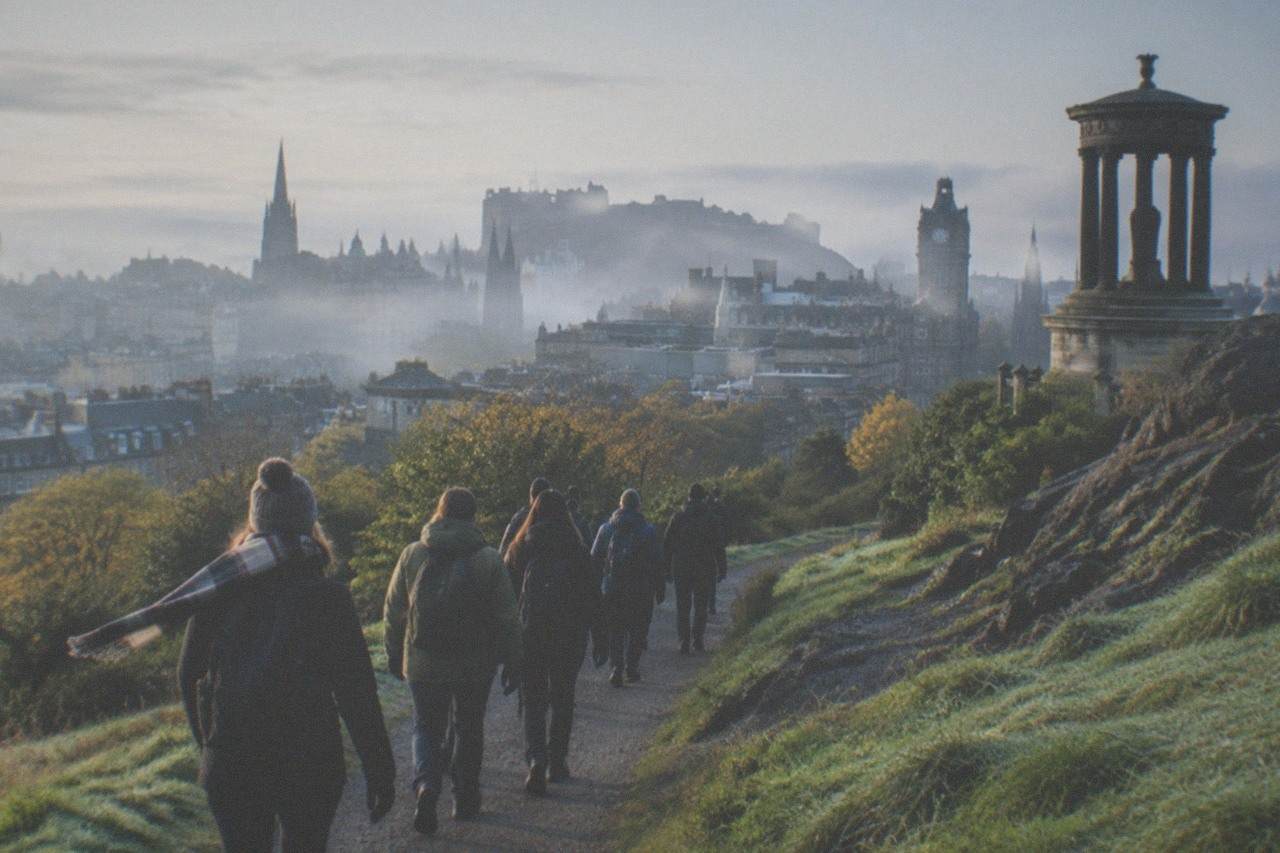
Edinburgh is small on the map and steep underfoot, which is the combination that catches visitors out. The Royal Mile is barely a mile long, but it sits on a ridge, and everything worth seeing either climbs up from it or drops down below it. I have spent enough seasons working Scottish tourism to know that distance on a map means less than vertical metres and closing times, and Edinburgh has plenty of both.
The honest answer to how long you need depends on one thing: whether your trip is built around the free core of the city, which is large, or around the paid headline sights, which are concentrated and quick to exhaust. This page works through the day counts that actually change what you will see, using the free museums, hills and pay-what-you-want walks as the spine of each day.
How Many Days In Edinburgh Is Enough?
Two days is enough to see the Old Town, the Royal Mile, the free Royal Mile museums and one viewpoint, because all of it sits within a fifteen minute walk of the High Street. A third day is what lets you reach Dean Village, the New Town and Calton Hill without rushing, and a fourth opens up Arthur's Seat, Holyrood and Leith. Most first-time visitors are happiest with three.
That three-day figure is not a guess pulled from a guidebook. It falls out of the geography. The free core of Edinburgh clusters in three zones, and each zone is a comfortable half-day on foot. The Old Town and Royal Mile form one zone. The New Town, Princes Street Gardens and Calton Hill form a second. Holyrood Park with Arthur's Seat forms a third, with Dean Village and the Water of Leith as a western fourth that most people only reach if they have spare time. One of the free walking routes passes through here: Dean Village And Water Of Leith.
The paid sights compress the maths further. Edinburgh Castle is paid, at £23.50 for an adult online, and the Palace of Holyroodhouse is paid too, so neither belongs in a free itinerary, though both can be approached and photographed from outside. What is left, the National Museum of Scotland with free general entry, the four free Culture Edinburgh museums on or just off the Royal Mile, the National Galleries sites with free general admission, and the open hills, is genuinely more than two days of walking.
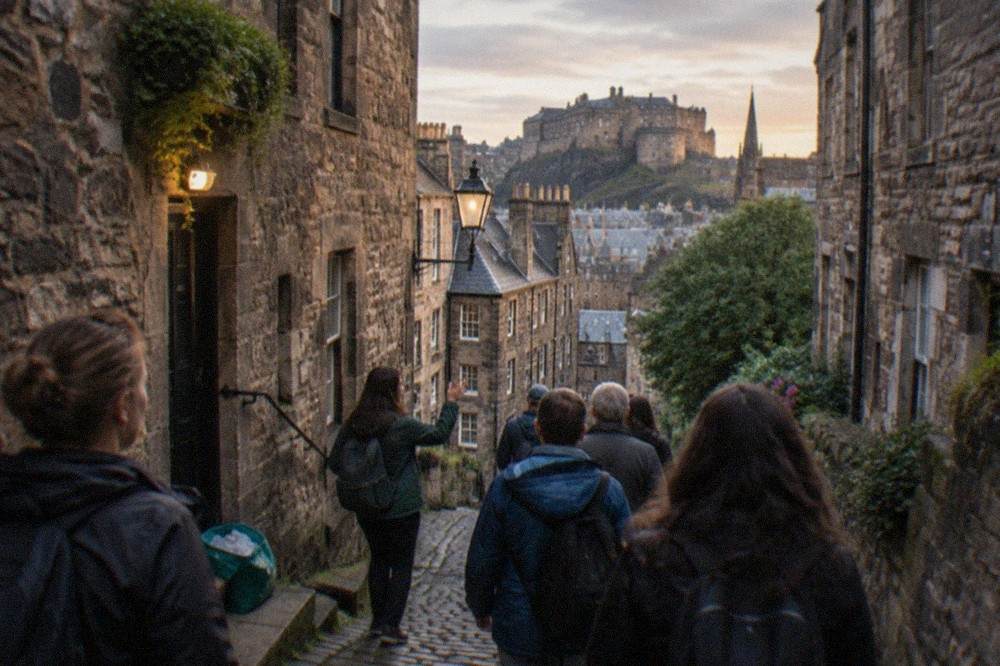
A free walking tour is the cheapest way to compress the first day, because a local guide covers in two hours what would take you a full afternoon to find alone. The English-language options on GuruWalk are the natural fit for most visitors: the 2-Hour Walk With a Famous Dog, rated 4.99 out of 5 across 2,282 GuruWalk reviews, the Local Lad's 2-Hour Walk, rated 4.96 out of 5 across 178 reviews, and the History and Fun Facts Walk, rated 4.9 out of 5 across 20 reviews. All three are pay-what-you-want, so the day's guiding costs whatever you decide to hand over at the end.
If you are planning the trip rather than just the first morning, the companion piece is our free things to do in Edinburgh today guide, which sorts the same free core by opening hours rather than by neighbourhood.
What Can You Realistically See In Two Days?
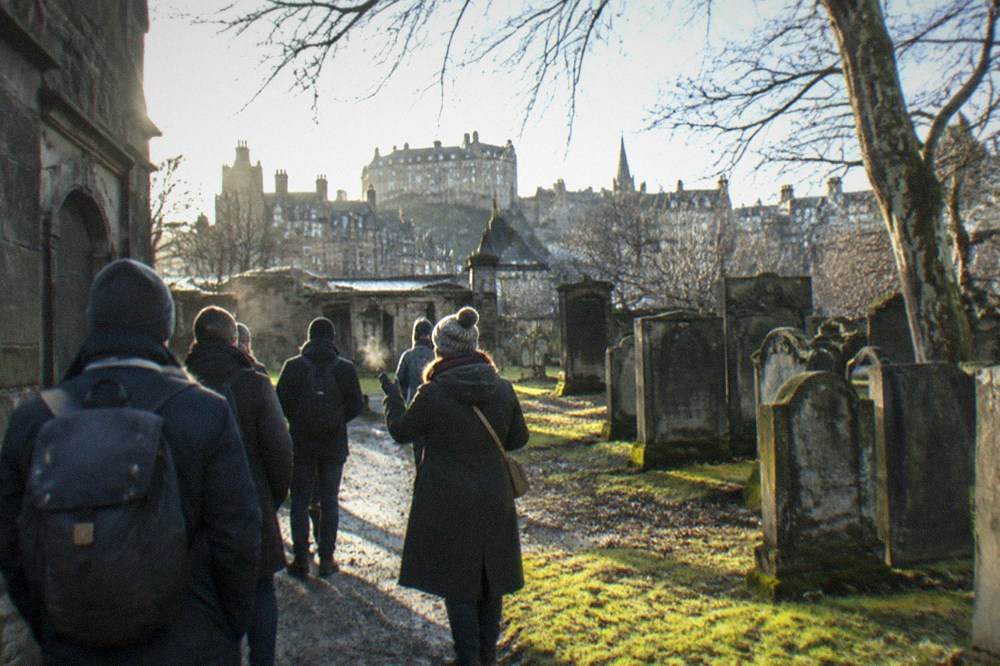
Day one can cover the Royal Mile from the castle esplanade to the Canongate, the Museum of Edinburgh, the Writers' Museum and the People's Story, plus Greyfriars Kirkyard, all free and all within one downhill walk. Day two can take the National Museum of Scotland in the morning and Calton Hill at sunset, which is the classic two-day first visit and leaves nothing essential unseen. One of the free walking routes passes through here: Essential Historical Walk, Spanish.
Two days works because the Royal Mile is a single line with free museums hanging off it. The Museum of Edinburgh, the Writers' Museum and the People's Story are all free to visit, open seven days a week from 10am with last entry at 4.30pm, and each is small enough for forty minutes. Greyfriars Kirkyard is open to visitors 24 hours a day, 365 days, so it fills whatever gap the museums leave. The National Museum of Scotland needs the better part of a morning on its own: it welcomed 2,318,305 visitors in 2025, which tells you the building is big and the popular galleries are busy by noon.
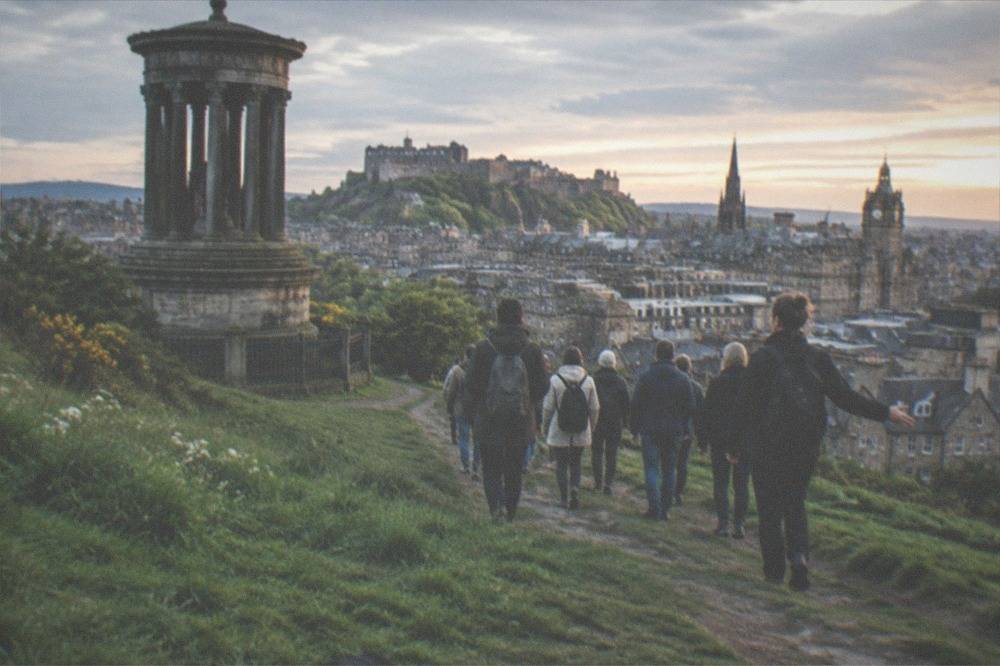
The one thing a two-day trip should not attempt is everything on the Mile's fringes. Calton Hill is a fifteen minute climb from the east end of Princes Street and gives the classic skyline view, but note the trap on top: the Nelson Monument is paid at every tier, £3 even for the ground-floor exhibition alone. The hill itself and the free Collective art centre on it cost nothing. A free walk covers this ground: Witch Burning Walk, Spanish Or Italian.
For the guiding on day one, the 2-Hour Walk With a Famous Dog is the strongest English-language option on the roster. It meets at 33 George IV Bridge, runs two hours, and its 4.99 rating across 2,282 GuruWalk reviews is the largest review pool of any English walk in the city. A guest review on the GuruWalk listing calls it the highlight of many visitors' trips, and the dog is a genuine part of the appeal for families.
If ghosts are the reason you are visiting rather than a bonus, a two-day trip can still fit one in: the Ghosts and Mysteries Royal Mile walk runs in English, Spanish and Italian, rated 4.51 out of 5 across 176 reviews, and the Body Snatchers walk, rated 4.93 out of 5 across 56 reviews, is only an hour and forty-five minutes. Our free ghost tours guide lists the full dark-history set.
What Does A Third Day Add?
A third day adds Dean Village, the Water of Leith Walkway, the New Town grid and the Scottish Parliament, none of which fit comfortably inside two days without cutting a museum. It is the day that changes a rushed first visit into a relaxed one, and it is the point where most travellers stop regretting the length of their trip. This stop sits on a free walking route, Gentle Green Walk, 1h15.
Dean Village is the single biggest thing a two-day itinerary misses. It is a residential quarter on the Water of Leith, ten minutes downhill from the west end of Princes Street, and it is the most photographed set of streets in the city after the Royal Mile. Because it is a working neighbourhood, the local guidance is to stay on public roads and the riverside path, keep voices down early and late, and keep the visit to around half an hour. The Water of Leith Visitor Centre sits on the walkway with a free exhibition, though its cafe and shop are not free. More of these guides are collected on Free Things to Do in Edinburgh.
The third day is also when a multilingual group or a family with mixed languages gets more from guiding. The Essential Walk With German Option runs in German, English, French and Italian, meets at 361 High Street, and carries 4.76 out of 5 across 2,889 GuruWalk reviews, the second-largest pool on the whole roster. If your group includes anyone whose English is shaky, that walk removes the language question from day one entirely.
Whichever walk anchors your first morning, the rest of day three belongs to the New Town, and the grid rewards wandering more than it rewards a checklist. The Scottish Parliament sits at the far end of the Royal Mile and rewards an unhurried visit. A self-guided visit is free and needs no booking: the Parliament's own visit pages say you are welcome any time the building is open, Monday to Saturday, and the free guided tours are worth reserving through their ticketing partner if you want the full story. Details are on the Parliament's visit page.
When Is Four Or Five Days Worth It?
Four days is worth it in August, when the Fringe fills the evenings, and for anyone who wants Arthur's Seat, Holyrood Park and the Leith shoreline, which are each half-day trips on foot from the Old Town. Five days stops being about sights and becomes about pace: slow mornings, festival shows and a beach.
Arthur's Seat is the reason most people add a fourth day. Holyrood Park is open 24 hours a day, year-round, and free to visit in the operator's own words, with the vast majority of the park open to roam. The climb is not technical but it is steep, and the rescue reports from the hill in 2026 are a reminder to take proper shoes and not the summit path in bad weather. One path constraint is real: the Radical Road is currently closed, and no reopening date should be trusted until the park's own page says otherwise. Check the Holyrood Park visitor page before you plan a route around it.
August changes the arithmetic completely. The 2026 Fringe ran 7 to 31 August with 4,232 shows across 306 venues, and the programme included 691 Pay What You Want or Pay What You Can shows. In festival weeks, four days is a minimum, because evenings are a second itinerary of their own. The free-show mechanics are simple but not obvious: PBH's Free Fringe runs free entry with a collection at the end, and Laughing Horse runs free-and-unticketed shows first-come, first-served. Our free Fringe shows guide explains how the bucket works.
A fifth day is for Leith and the Shore, Portobello Beach, or the Royal Botanic Garden, whose garden entry is free while its Palm Houses carry a ticket. None of these is essential. All of them are pleasant. If your trip is five days or more, the question stops being what to see and becomes what to leave out, which is a better problem to have.
How Should You Split Your Days Between Walks, Museums And Hills?
Split each day into one anchored morning, a museum or gallery over lunch, and a viewpoint at the end of the day, with a pay-what-you-want walk on the first morning only, because it orients you for everything after it. That rhythm fills three days without a single paid admission.
The budget logic is straightforward. A three-day trip built on the free core costs, per person, roughly what one castle admission and one palace admission would cost, and the walks are paid by tip. If you want the comparison worked through line by line, the Edinburgh on a budget guide does it, and the question of what a tip should be is covered in our piece on how much to pay for a free walking tour. GuruWalk's own guidance frames the contribution as between 15 and 50 euros per participant, but there is no fixed price and no required amount.
| Day | Morning anchor | Afternoon | Evening or viewpoint |
|---|---|---|---|
| 1 | Pay-what-you-want Royal Mile walk | Free Royal Mile museums and Greyfriars Kirkyard | Calton Hill at sunset |
| 2 | National Museum of Scotland | Scottish National Gallery, free general admission | Grassmarket and Old Town closes |
| 3 | Dean Village and the Water of Leith Walkway | New Town grid and Princes Street Gardens | Scottish Parliament before closing |
| 4 | Arthur's Seat and Holyrood Park | Leith and the Shore | Fringe free shows, in season |
Every row of that table is free at the point of entry, with the two conditions carried: galleries charge for some named exhibitions, and the Parliament's guided tour is worth booking ahead even though it is free.
The last choice is which walk to book for that first morning, and the trio below is the shortlist for an English-speaking visitor. The 2-Hour Walk With a Famous Dog has the deepest review pool, the Local Lad's 2-Hour Walk has the strongest rating-to-length balance for a first visit, and the History and Fun Facts Walk is the lighter option for families who want jokes with their history.
Common Questions About How Many Days To Spend In Edinburgh
How Many Days In Edinburgh Is Enough?
Two days covers the Royal Mile, the free Royal Mile museums, the National Museum of Scotland and one viewpoint. Three days adds Dean Village, the New Town and the Scottish Parliament. Four days fits Arthur's Seat, Leith and, in August, the Fringe. Three days is the number most first-time visitors end up wishing they had booked.
Can you do Edinburgh in one day?
One day covers the Royal Mile downhill, one free museum and Calton Hill at sunset, but it means skipping the National Museum of Scotland's best galleries, Dean Village and Holyrood Park entirely. It is a taster, not a visit, and the steep terrain makes a rushed day more tiring than the map suggests.
Is Edinburgh expensive once you arrive?
The free core is unusually large for a capital city: the national museums and galleries have free general admission, four Royal Mile museums are free, the hills and kirkyards cost nothing, and the walking tours are pay-what-you-want. The paid headline sights are the expensive part, with Edinburgh Castle at £23.50 online for an adult. A trip built on the free core costs very little beyond food and transport.
What is the best month for a first visit?
June and September give long daylight without the August festival crowds, though September is when the Fringe has left town and the free-show circuit is over. August offers 691 Pay What You Want or Pay What You Can Fringe shows but needs show bookings and accommodation planned well ahead. Winter days are short, and Hogmanay week is ticketed almost everywhere except the First Footin' music trail on 1 January.
Do you need a tour guide in Edinburgh?
You do not need one, but a pay-what-you-want walk on the first morning orients you faster than any map. The closes, courtyards and vennels of the Old Town hide their stories well, and a two-hour walk with a local covers ground that would otherwise take a full afternoon to find. Reserve a spot, pay what you think it was worth at the end, and spend the rest of the trip exploring alone.